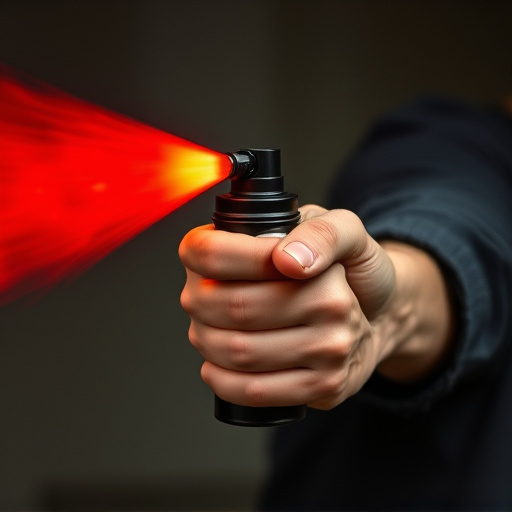
Pepper spray, a popular self-defense tool, temporarily disables attackers through capsaicin irritation. Effectiveness depends on proper usage and product potency measured in capsaicin units (CU). Understanding local Pepper Spray Laws by State is crucial for legal compliance and effective use, as regulations vary widely across the U.S., affecting age restrictions, permit requirements, and de-escalation rules. Selecting tactical pepper spray requires researching state laws, considering distance comfort, potency, application method, canister size, and specific certification needs to ensure optimal self-defense in diverse scenarios.
“Tactical pepper spray has emerged as a powerful tool for personal safety, offering a non-lethal means of self-defense against aggressive attackers. In this comprehensive guide, we explore its effectiveness and safety profiles, shedding light on why it’s a popular choice for individuals seeking protection.
Beyond understanding the product, our article delves into an essential aspect: Pepper Spray Laws by State. Each state has unique regulations, and knowing these is crucial before purchasing. We provide a detailed overview to ensure you make informed decisions regarding your personal safety.”
- Understanding Pepper Spray: Its Effectiveness and Safety
- Pepper Spray Laws by State: A Comprehensive Overview
- Choosing the Right Tactical Pepper Spray for Your Needs
Understanding Pepper Spray: Its Effectiveness and Safety
Pepper spray, also known as oleoresin capsicum (OC) spray, is a popular self-defense tool designed to temporarily incapacitate an attacker. It works by causing a burning sensation and irritation in the eyes, nose, and throat, leading to temporary blindness and difficulty breathing. Understanding its effectiveness and safety is crucial when considering tactical pepper spray for personal protection.
The spray’s potency and range vary widely among products, with strengths typically measured in capsaicin units (CU). A higher CU indicates more potent spray. Safety features like trigger locks and safety mechanisms ensure that the sprayer remains in control during use. It’s important to note that while pepper spray can be an effective deterrent, its effectiveness depends on proper usage, including aiming for the face and maintaining a safe distance. Additionally, users should be aware of local Pepper Spray Laws by State to avoid legal issues.
Pepper Spray Laws by State: A Comprehensive Overview
Knowing the pepper spray laws by state is essential for anyone considering self-defense options, as regulations vary widely across the US. In many states, citizens can legally carry pepper spray for personal protection, while others have stringent restrictions or outright ban its possession. For instance, some states allow pepper spray only for law enforcement or trained individuals, and there are often specific requirements regarding age, permit, and training.
Each state has its own set of rules dictating where and how pepper spray can be used. Some states have a “stand your ground” policy, which allows the use of force, including pepper spray, without retreat if you perceive an imminent threat to your safety. Conversely, other states require you to attempt de-escalation or retreat before employing self-defense measures like pepper spray. Understanding these laws is crucial for ensuring compliance and effectively utilizing pepper spray as a legitimate self-protection tool.
Choosing the Right Tactical Pepper Spray for Your Needs
When selecting a tactical pepper spray, understanding your specific needs and local laws is paramount. Different states have varying regulations regarding pepper spray ownership and usage, so it’s crucial to check the Pepper Spray Laws by State before making a purchase. Some states allow citizens to carry pepper spray for self-defense without a permit, while others may require registration or specific training certifications.
Knowing your distance comfort level, desired potency, and application method will help guide your decision. For close-quarters encounters, a higher concentration spray with a short range might be suitable. Longer-range options with slightly lower capsaicin levels could be more appropriate for maintaining distance during an attack. Consider factors like stream versus fog patterns, as well as the size and weight of the canister, ensuring it fits comfortably in your hand or on your duty belt.
When considering tactical pepper spray as a means of self-protection, understanding both its effectiveness and the associated legal landscape is paramount. As this article has highlighted, pepper spray can be a powerful tool, but it’s crucial to choose the right product for your specific needs and be aware of the Pepper Spray Laws by State to ensure safe and legal usage. By staying informed on these aspects, you can make an educated decision to protect yourself effectively.