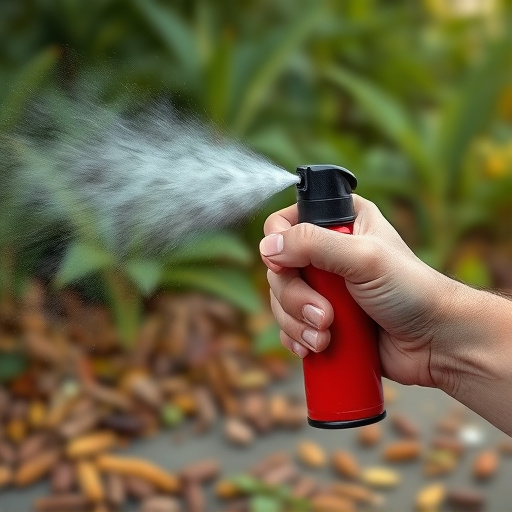
In a world prioritizing personal security, pepper spray has been a popular choice, but varying Pepper Spray Laws by State create complexity. US states differ greatly in regulations, from California's strict permit requirements to Texas' open carry policy. These laws are crucial for legal compliance and safety, as improper use can trigger adverse reactions. Understanding local Pepper Spray Laws by State is essential for citizens, guiding them to make informed decisions and navigate daily life securely. Alternatives like personal alarms and self-defense keys also offer enhanced protection in areas with stringent regulations.
Personal security is a paramount concern in today’s dynamic world, and individuals are increasingly seeking effective defensive tools. This comprehensive guide delves into the realm of pepper spray as both a personal security measure and a crucial component of self-defense strategies. From understanding the basics and its impact to navigating Pepper Spray Laws by State, we explore the legal landscape and practical considerations. Additionally, we venture beyond pepper spray to uncover alternative defenses, ensuring readers are equipped with knowledge for their safety.
- Understanding Pepper Spray: The Basics and Its Impact
- Pepper Spray Laws: A Comprehensive State-by-State Guide
- Personal Security and Beyond: Exploring Alternative Defenses
Understanding Pepper Spray: The Basics and Its Impact
Pepper spray, an inflammatory defense product, has become a common tool for personal security. It works by temporarily blinding and disorienting an assailant, providing the user with precious time to escape or seek help. This non-lethal force option is widely available to both law enforcement and civilians, though its use is governed by varying Pepper Spray Laws by State. These laws dictate who can possess pepper spray, where it can be carried, and under what circumstances it can be deployed, ensuring responsible and legal usage.
Understanding the impact of pepper spray starts with recognizing its active ingredient: capsaicin, found in hot peppers. When sprayed, capsaicin irritates the eyes, nose, throat, and skin, causing temporary but intense discomfort. This reaction enables individuals to remove themselves from dangerous situations. However, proper training is essential for safe and effective use, as incorrect application could have adverse effects on certain medical conditions or sensitive individuals.
Pepper Spray Laws: A Comprehensive State-by-State Guide
In many parts of the United States, pepper spray is a widely used personal security tool for self-defense against potential attackers. However, its legality and regulations vary significantly from state to state. Understanding the Pepper Spray Laws by State is crucial for individuals looking to protect themselves legally while carrying or using this device. Each state has its own set of rules regarding who can possess pepper spray, where it can be carried, and under what circumstances it can be used.
Some states, like California, have strict regulations, banning the use of pepper spray by civilians without a permit. Conversely, other states, such as Texas, have more lenient laws, allowing open carry with minimal restrictions. It’s essential to check your state’s specific laws to ensure compliance and avoid legal repercussions. The Pepper Spray Laws by State guide can provide valuable insights into these regulations, empowering individuals to make informed decisions regarding their personal security while adhering to local legislation.
Personal Security and Beyond: Exploring Alternative Defenses
In today’s world, personal security has become an essential concern for many individuals. While self-defense products like pepper spray have long been a popular choice, it’s crucial to understand the legal landscape surrounding them, especially when considering their use and carry across different states in the US. Pepper spray laws vary significantly from one state to another, with some allowing open carry while others restrict it to specific situations or require permits.
Exploring alternative defenses beyond pepper spray is a wise step for those seeking comprehensive personal security measures. From personal alarms that emit ear-piercing sounds to deter potential attackers to self-defense keys with built-in emergency tools, these options offer unique advantages in various scenarios. Understanding local laws and selecting the right defense mechanism can empower individuals to protect themselves effectively while navigating the complexities of daily life.
In understanding personal security, pepper spray has established itself as a powerful tool, but it’s crucial to navigate the varying legal landscapes across states. Our comprehensive guide on Pepper Spray Laws by State ensures individuals are informed about their rights and abilities to protect themselves. Beyond this, exploring alternative defenses widens the tapestry of personal security options, empowering folks to navigate potential threats with confidence and knowledge.